Practical information for families.
Plain-language articles to help you understand allied health, ask better questions and feel more prepared. Written by people who actually understand this work.

What does an occupational therapist actually do?
OT is about participation in everyday life — not just fine motor skills. Here’s what that actually means.

OT vs psychology: where should we start?
Two disciplines, a lot of overlap, and a genuinely useful way to think about where to begin.

When should speech sounds be assessed?
A plain-language guide to speech sound development and when to seek support.

What is AAC?
Augmentative and alternative communication, explained without the jargon.

Why emotional regulation isn’t the same as calming down
Regulation is a skill built over time, not a switch. Here’s the difference that matters.
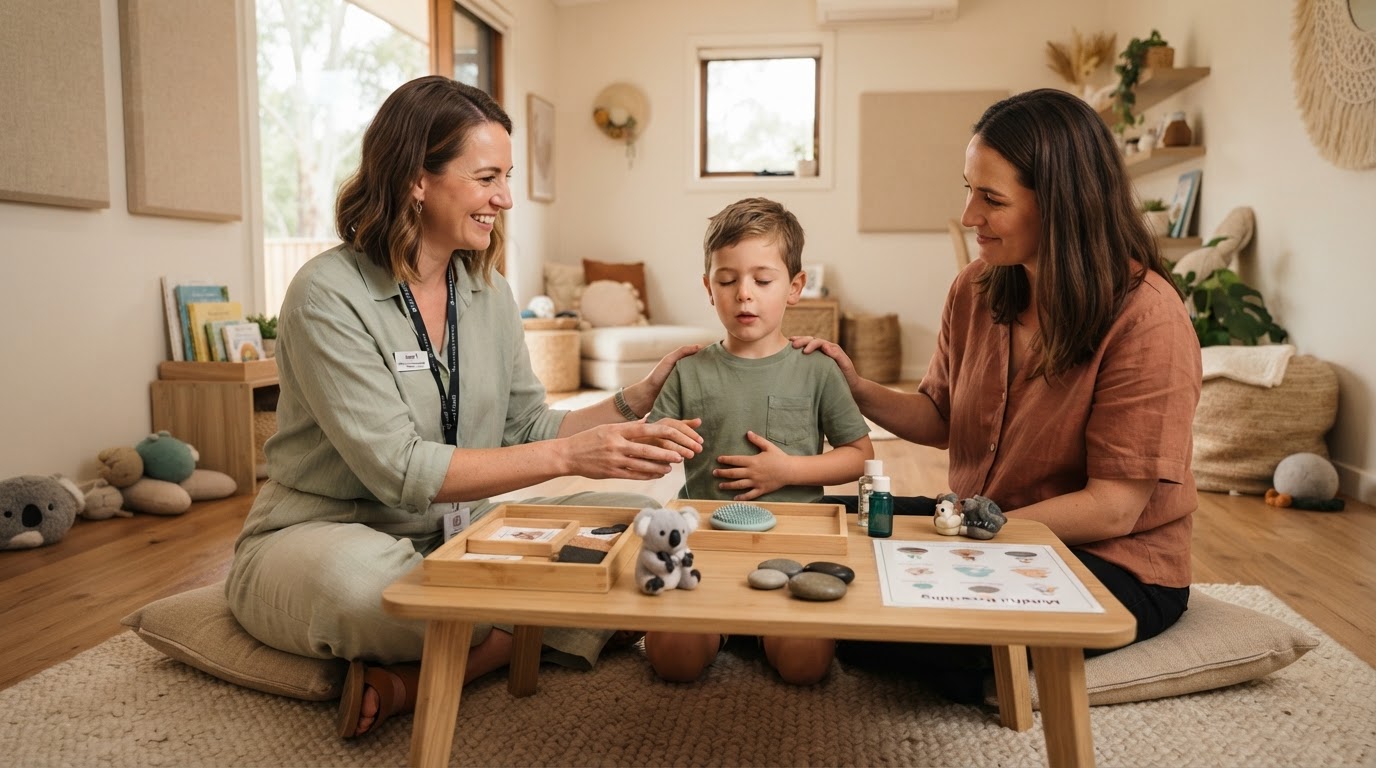
What’s the difference between a meltdown and a tantrum?
The distinction shapes how we respond. A short, practical explanation.

Preparing for a first therapy appointment
What to expect, what to bring, and how to talk to your child about it.

Should therapy happen at school or in the clinic?
Both have their place. Here’s how we think about where support should happen.

How multidisciplinary therapy works
What collaboration between disciplines actually looks like in practice.

What should I bring to an NDIS therapy appointment?
A simple checklist so you arrive prepared, not anxious.
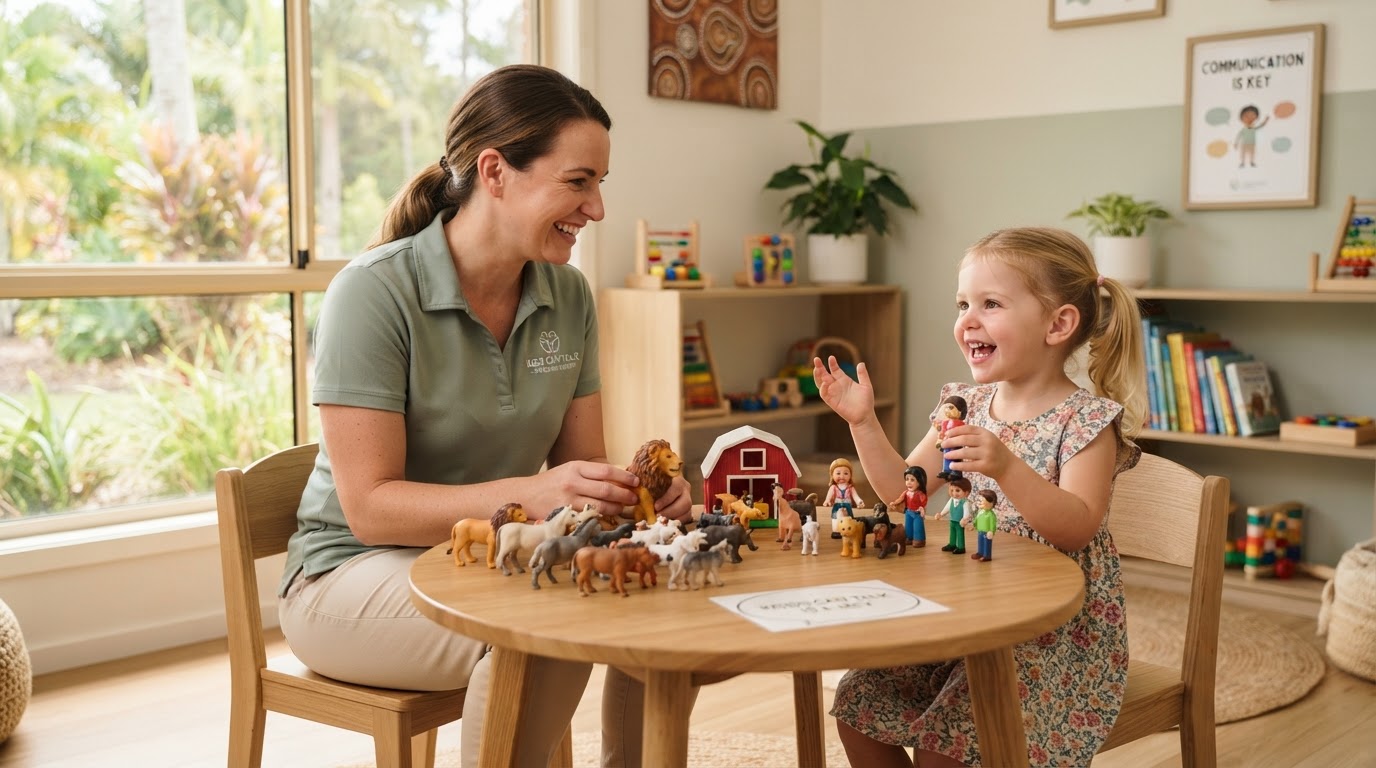
Speech delay or language delay: what’s the difference?
They’re often confused. Knowing the difference helps you ask better questions.
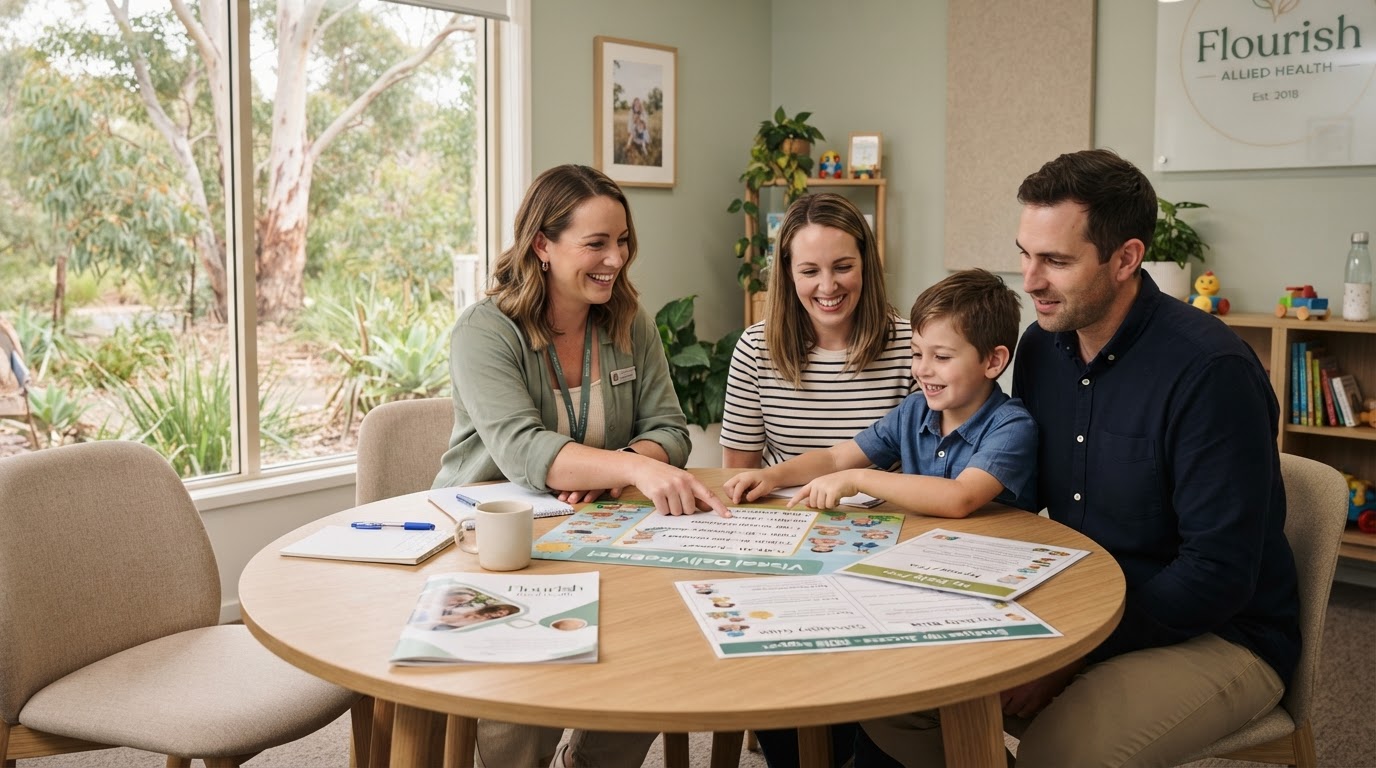
What is Positive Behaviour Support?
A plain-language introduction to PBS and what it sets out to do.
Articles can only take you so far.
If something here resonates with what’s happening for your family, our intake team can help you work out whether and how LifeCare might be able to help.