Support that works where life actually happens.
LifeCare Allied Health brings occupational therapy, speech pathology, psychology and behaviour support together around the people and families we work with.
We help children, teenagers and young adults build skills, confidence and participation across home, school and everyday life.
Clinic • Home • School • Community • Telehealth

One team. Different kinds of support.
Occupational Therapy
Building participation, independence and confidence in everyday activities.
Explore OTSpeech Pathology
Supporting communication, language, speech, literacy and feeding.
Explore SpeechPsychology
Supporting emotional wellbeing, behaviour, relationships and development.
Explore PsychologyPositive Behaviour Support
Understanding behaviour and creating practical supports around the person.
Explore Behaviour SupportThe best support connects the pieces.
A child’s challenges rarely sit neatly inside one therapy room.
Communication can affect behaviour. Sensory needs can affect participation. Anxiety can affect school. Family stress can influence everything around it.
That’s why LifeCare brings different disciplines together while keeping the person, their family and everyday life at the centre.
We collaborate when collaboration helps — and keep things simple when it doesn’t need to be complicated.
Support shaped around the stage of life.
We work with children, teenagers, young adults and families — and we shape support around the developmental stage and everyday context, not a diagnosis.
Early Childhood
Supporting communication, development, play, regulation and participation during the early years.
ExploreSchool-Age Children
Helping children participate more confidently in learning, friendships, communication and daily routines.
ExploreTeenagers & Young Adults
Practical, respectful support around independence, emotional wellbeing, communication, executive functioning and identity.
ExploreParents & Families
Because sustainable change often depends on what happens around the child as well as within them.
Explore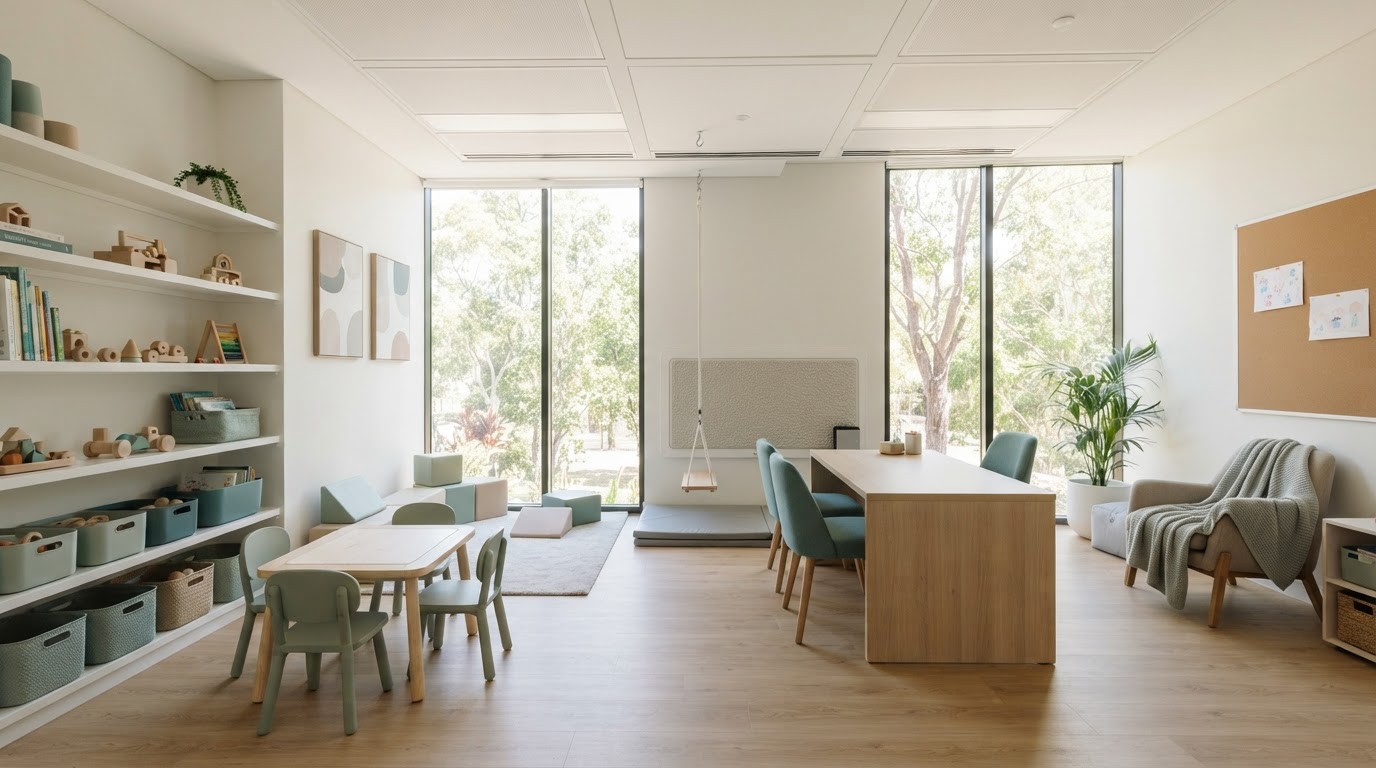
Designed for therapy. Built for real life.
Clear steps. Less running around.
Tell us what you need
Complete a short enquiry or referral and give us enough information to understand what support you’re looking for.
We identify the right service
Our intake team considers your goals, age, funding, location and available clinicians.
Meet your clinician
Your first appointment focuses on understanding priorities, strengths and what’s happening in everyday life.
Build the plan
Together, we decide what support is useful, where it should happen and what progress should look like.
Different disciplines. One person at the centre.
Multidisciplinary care shouldn’t mean more appointments, more meetings and more people to coordinate.
When collaboration is useful, our clinicians communicate around shared goals so support is more connected and families aren’t left carrying the whole coordination load.
Clinicians who understand their discipline — and the bigger picture.

Emma Caldwell
Senior Occupational Therapist
Paediatrics • Sensory Processing • Emotional Regulation • Daily Living

Liam Chen
Speech Pathologist
Language • Speech • Literacy • AAC

Dr Hannah Cooper
Clinical Psychologist
Anxiety • Neurodivergence • Adolescents • Parenting

Maya Thompson
Occupational Therapist
Early Childhood • Play • Motor Skills • School Participation

Olivia Martin
Speech Pathologist
Early Language • Feeding • Social Communication

Nathan Brooks
Behaviour Support Practitioner
Positive Behaviour Support • Complex Behaviour • Family Coaching
Therapy should make everyday life easier — not become another thing a family has to manage.
Families already coordinate school, appointments, work, routines, funding and everything else that comes with daily life. Our aim is to make therapy clear, practical and connected to what’s important outside the clinic.
Support may involve
- working directly with the child
- coaching parents
- collaborating with school
- building environmental supports
- creating practical strategies
- working with other professionals
Clear information about how services can be funded.
NDIS
Self-managed and plan-managed participants may be able to access relevant services where these align with their plan and goals.
Private
Families can access services privately without NDIS funding.
Medicare
Some psychology and allied-health services may be eligible for Medicare rebates with an appropriate referral where relevant.
Private Health
Depending on your policy, rebates may be available through private health insurance.
Need to know whether LifeCare is the right fit?
GPs, paediatricians, schools, support coordinators and other professionals can refer directly to LifeCare. We make it easy to understand:
- Services
- Age ranges
- Locations
- Funding
- Current intake pathways
- Information required for referral

Practical information for families.

What does an occupational therapist actually do?
OT is about participation in everyday life — not just fine motor skills. Here’s what that actually means.
4 min read
OT vs psychology: where should we start?
Two disciplines, a lot of overlap, and a genuinely useful way to think about where to begin.
5 min read
When should speech sounds be assessed?
A plain-language guide to speech sound development and when to seek support.
4 min read
What is AAC?
Augmentative and alternative communication, explained without the jargon.
5 min readDo good clinical work without doing it alone.
We’re building a multidisciplinary team where clinicians can develop their craft, collaborate when it adds value and still have the autonomy to practise well.

Things families often ask.
Tell us what’s happening. We’ll help work out the next step.
You don’t need to know which discipline you need before contacting us. Tell our intake team a little about your concerns and we can help identify the service that may be most appropriate.
Call (07) 3186 4270